Trying to choose between new construction in Spring or Tomball? You are not alone. Both areas offer appealing communities, respected builders, and a range of lot sizes, but the right fit comes down to your daily routine, long-term costs, and resale goals. In this guide, you’ll compare commute routes, schools, taxes and MUDs, flood and insurance factors, and what buyers tend to want at resale. Let’s dive in.
Spring vs. Tomball overview
Spring and Tomball sit in north and northwest Harris County. Spring generally offers quicker access to I-45 and Beltway 8, while Tomball is farther northwest along State Highway 249. Drive times vary by subdivision and by hour, so always test your routes during typical commute windows. The best choice often comes down to your daily destinations and how each community’s layout fits your routine.
Commute and daily routes
If your schedule takes you toward central or north Houston, Spring’s proximity to I-45 and connections to major loops can cut minutes from a daily drive. If your orbit is northwest or along 249, Tomball may be simpler. Either way, map your routes for work, school, grocery, and medical stops. Visit at rush hour to see real traffic, noise, and travel times.
Schools and resale value
School district assignment in this area can change block by block. Tomball is served primarily by Tomball ISD. Spring-area developments may fall into Spring ISD, Klein ISD, Conroe ISD, or other nearby districts. Because school assignment is a strong driver of resale, verify the exact school zone for any lot through the district or by checking the parcel in the Harris County Appraisal District.
Builders and home types
You will see a mix of large national builders and Texas-based firms in both markets. Offerings range from compact-lot, value-focused neighborhoods to larger-lot suburban homes and master-planned communities with amenities. Availability changes quickly. For current inventory and incentives, review builder sites and recent listings, and check Houston Association of REALTORS market reports for trends.
What matters most across builders:
- Warranty coverage and claims process. Ask for a sample warranty and timelines.
- Third-party inspections and energy specs. Request inspection policies and HERS or energy feature sheets.
- Included vs. optional features. Get an itemized inclusions list in writing.
- Customer service history and finish standards. Ask to tour a recently completed home.
Lots and outdoor space
Lot sizes vary widely. In higher-density sections of Spring, you may find narrower 40–50 foot lots with smaller yards. Both areas also offer 50–65 foot suburban lots and larger 70 foot or acreage options, especially in Tomball’s outskirts and peripheral Spring locations. For lifestyle and resale, focus on usable backyard space, lot shape, orientation, and drainage, not just square footage.
Amenities and community feel
Tomball often features master-planned neighborhoods and rural or large-lot enclaves with pools, playgrounds, greenbelts, and in some rural areas, equestrian-friendly options. Spring offers a mix of infill-style, higher-density neighborhoods and suburban master-planned sections with pools, parks, and amenity centers, often near retail corridors. Larger master-planned communities in both markets tend to deliver more robust amenities, while smaller tract neighborhoods may keep features simple to control dues.
Taxes, MUDs, and HOAs
Property taxes in these areas typically include county and school district taxes, and may include city and Municipal Utility District (MUD) taxes. Many new neighborhoods in unincorporated Harris County rely on MUDs to fund water, sewer, and infrastructure. MUDs levy their own tax rate tied to bond obligations, which can affect your total tax bill. If you are considering a home inside Tomball city limits, you may also have a city tax component along with city services. You can review city services and tax information on the City of Tomball’s official site.
Action steps for clarity:
- Use the HCAD parcel search to see taxing entities for a specific lot and estimate taxes.
- If a MUD is involved, request the district’s tax rate, bond schedule, and any planned assessments.
- Ask for the HOA covenants, budget, and fee schedule to understand amenities, rules, and restrictions.
Homestead and qualifying exemptions are available after occupancy and can reduce taxes once you file the exemption. Your exact savings will depend on your property, assessed value, and eligibility.
Flood, utilities, insurance
Both Spring and Tomball include areas inside and outside FEMA Special Flood Hazard Areas. You should check every lot, not just the neighborhood name. Start with the FEMA Flood Map Service Center for flood zones, then review local drainage context through the Harris County Flood Control District. Ask for elevation certificates if available, and request builder details on finished floor elevation and any flood mitigation measures.
If your lot lies in a Special Flood Hazard Area, your lender may require flood insurance. Even outside mapped zones, flood insurance can be worth considering based on local storm patterns and premiums tied to elevation and risk factors. Also ask about utility startup fees and any MUD-related assessments.
Resale factors that count
In this market, buyers tend to focus on practical features. School district and assigned schools matter, along with lot size, usable yard, and neighborhood amenities. Floor plans with flexible spaces, open main living, and a first-floor primary suite often appeal to a wider pool. Energy efficiency and durable finishes can reduce operating costs and boost marketing appeal. For broader context on buyer preferences, you can explore research from the National Association of REALTORS.
Timing also matters. Resale often gets easier once a neighborhood matures, with completed amenities and stabilized HOA operations. In brand-new phases, resale in the first year or two can be tougher while nearby lots are still being built. Broader market conditions, interest rates, and inventory levels play a role. For Texas-level housing insights and research, see the Texas A&M Real Estate Center.
Community selection checklist
Use this list before you sign a contract.
- Confirm the exact school zone for the lot. School assignment affects long-term value.
- Identify every taxing entity for the parcel using HCAD property lookup, including any MUD or city component.
- If there is a MUD, request current tax rates, the bond schedule, and any planned assessments.
- Obtain the HOA covenants and current budget, plus amenity details and rental rules.
- Check flood risk with the FEMA map and review local drainage context via Harris County Flood Control District.
- Ask the builder for a sample warranty, what it covers, and the claims process.
- Walk the area at different times to note traffic, construction activity, and noise.
- Confirm utility providers, connection fees, and whether all infrastructure is complete.
- Ask for a list of nearby planned developments that could impact traffic or resale.
Floor plan checklist
Prioritize features that fit your life and help resale.
- Bedrooms and baths, plus a flexible space for office or guests.
- First-floor primary suite, or primary-down option for wider appeal.
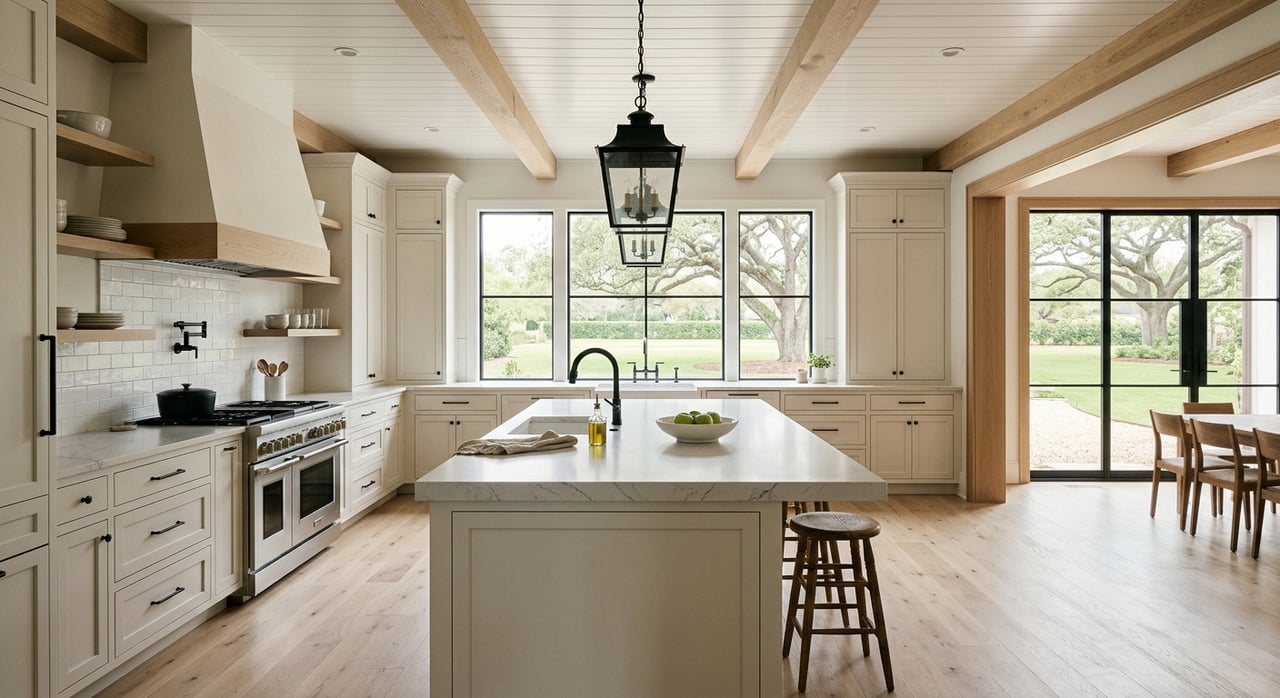
- Kitchen workflow, island size, pantry storage, and views to main living.
- Laundry and mudroom placement for day-to-day function.
- Garage capacity and storage depth; consider 3-car options if you need space.
- Energy features like insulation specs, window type, HVAC efficiency, and any certifications.
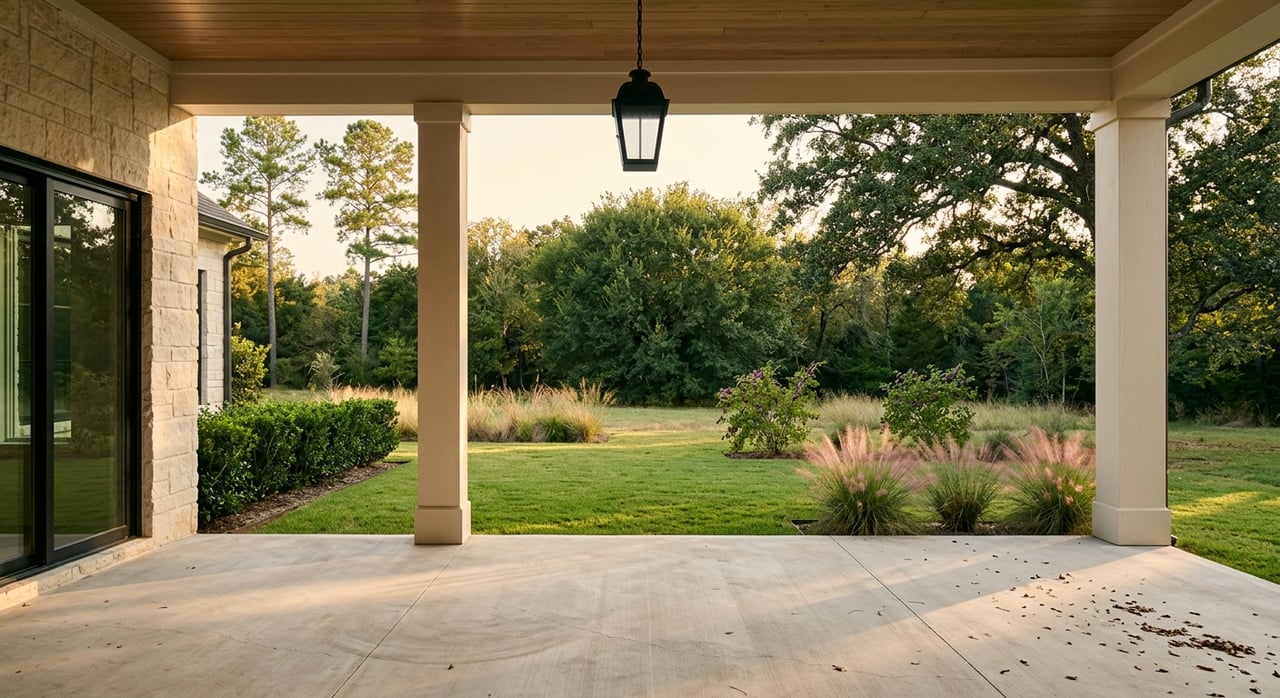
- Covered outdoor living, sun exposure, and lot drainage slope.
- Room to adapt over time with flexible layouts and ceiling heights that support upgrades.
Next steps and local help
You can make a confident choice between Spring and Tomball when you verify the lot-level details: commute routes, school assignment, tax and MUD exposure, flood risk, and the plan that best fits your day-to-day life. A steady, local advisor can help you gather documents, review HOA and MUD disclosures, and coordinate third-party inspections so you close with confidence. If you are ready to move from research to action, connect with Kristina Davidson to map your options, compare communities, and plan a smooth path from contract to close.
FAQs
How do commute patterns differ in Spring vs. Tomball?
- Spring generally has faster access to I-45 and Beltway 8, while Tomball is aligned with State Highway 249; actual drive times depend on your exact subdivision and rush-hour conditions.
How do MUD taxes affect new construction costs?
- Many new neighborhoods use MUDs to fund water and sewer, which adds a separate tax rate to your bill; verify the lot’s taxing entities and rates with the HCAD parcel search.
How do I check flood risk for a specific lot?
- Look up the address on the FEMA Flood Map Service Center, then review local drainage and floodplain context with the Harris County Flood Control District, and ask for any elevation certificates.
What should I ask a builder before signing?
- Request a written inclusions list, sample warranty with coverage and claims steps, third-party inspection policies, timelines and change-order terms, and details on landscaping, fencing, and driveway completion.
How do schools impact resale in Spring and Tomball?
- School district and assigned campuses are major resale drivers; confirm the exact assignment for the lot through the district or by checking the parcel in HCAD before you commit.
Where can I find current market trends for these areas?
- Review local data and reports through the Houston Association of REALTORS and statewide research at the Texas A&M Real Estate Center to understand inventory and demand patterns.