Torn between wide-open space and a community with built-in amenities? You are not alone. Many Magnolia buyers weigh privacy and room to roam against pools, trails, and neighborhood events. In this guide, you will compare the daily lifestyle, maintenance, utilities, financing, insurance, and resale tradeoffs of acreage versus master-planned communities in and around Magnolia. Let’s dive in.
Magnolia living at a glance
Magnolia sits in Montgomery County, northwest of Greater Houston and within reach of The Woodlands and Houston job centers. You will see two common paths here: larger-lot acreage with more privacy, and newer master-planned neighborhoods with amenities. School assignment to Magnolia Independent School District is a common factor for families, along with commute patterns and proximity to services.
Lifestyle tradeoffs
Privacy and space
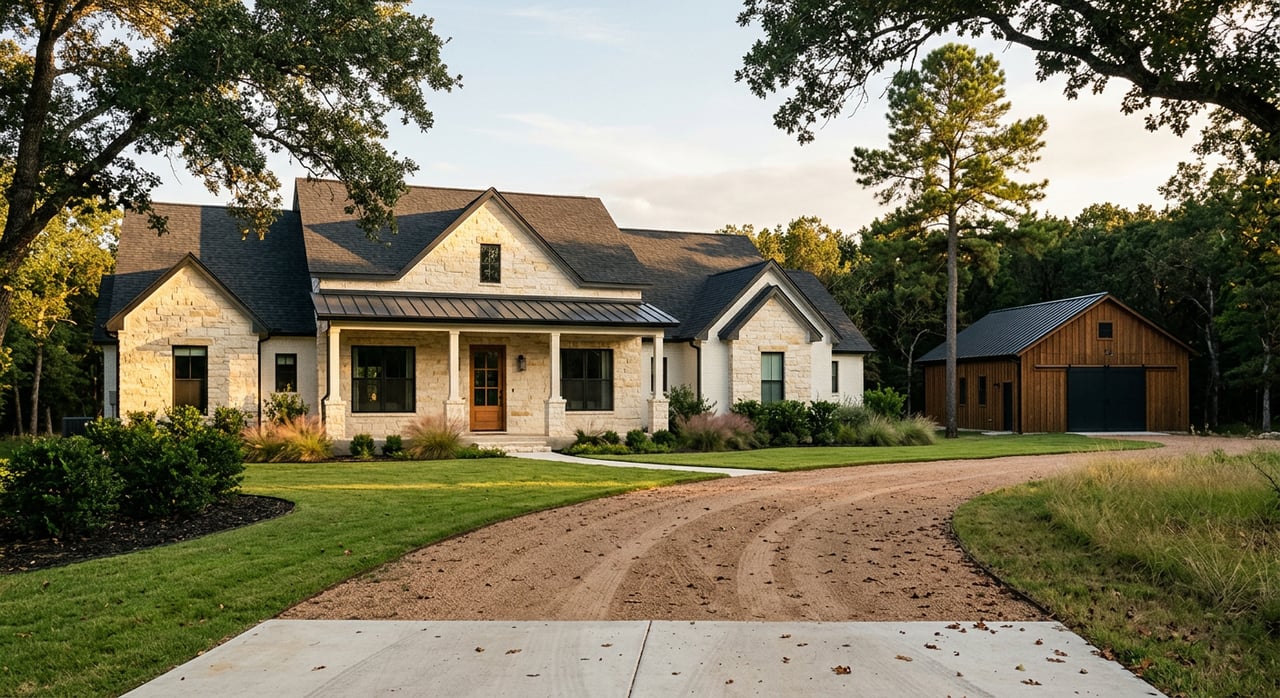
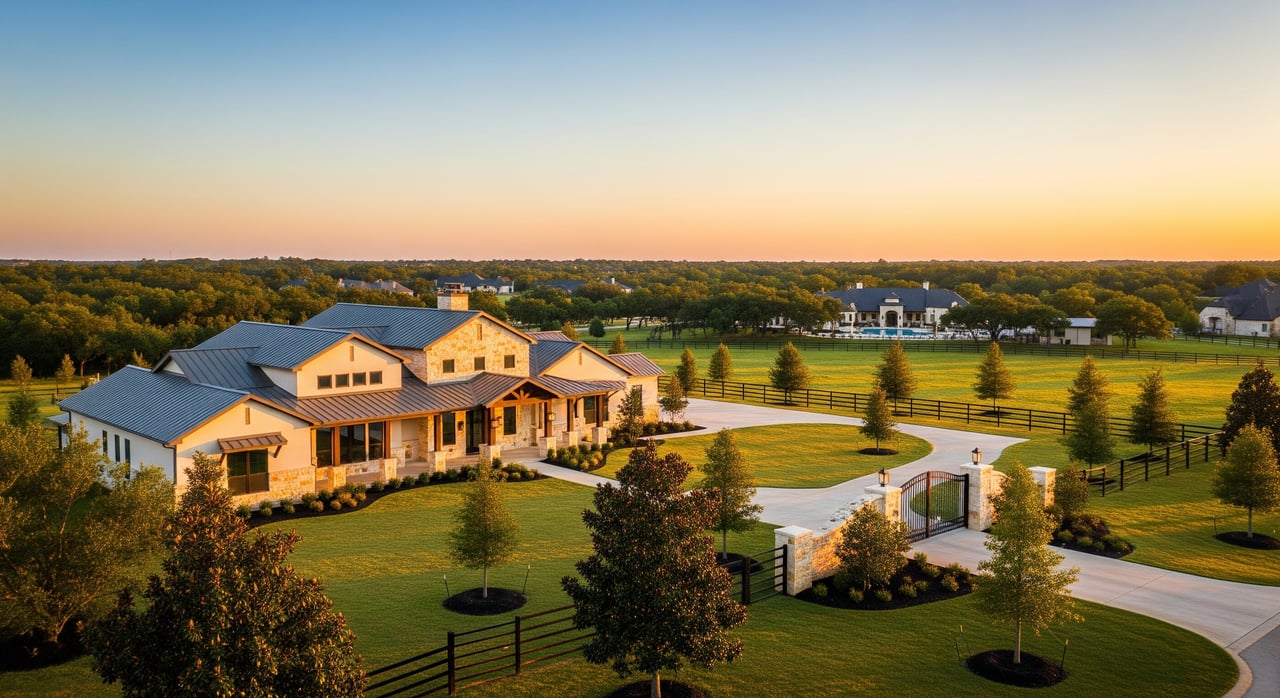
- Acreage gives you buffers from neighbors, mature trees, and room for hobbies like gardening or a private pool. Backyard privacy is typically higher.
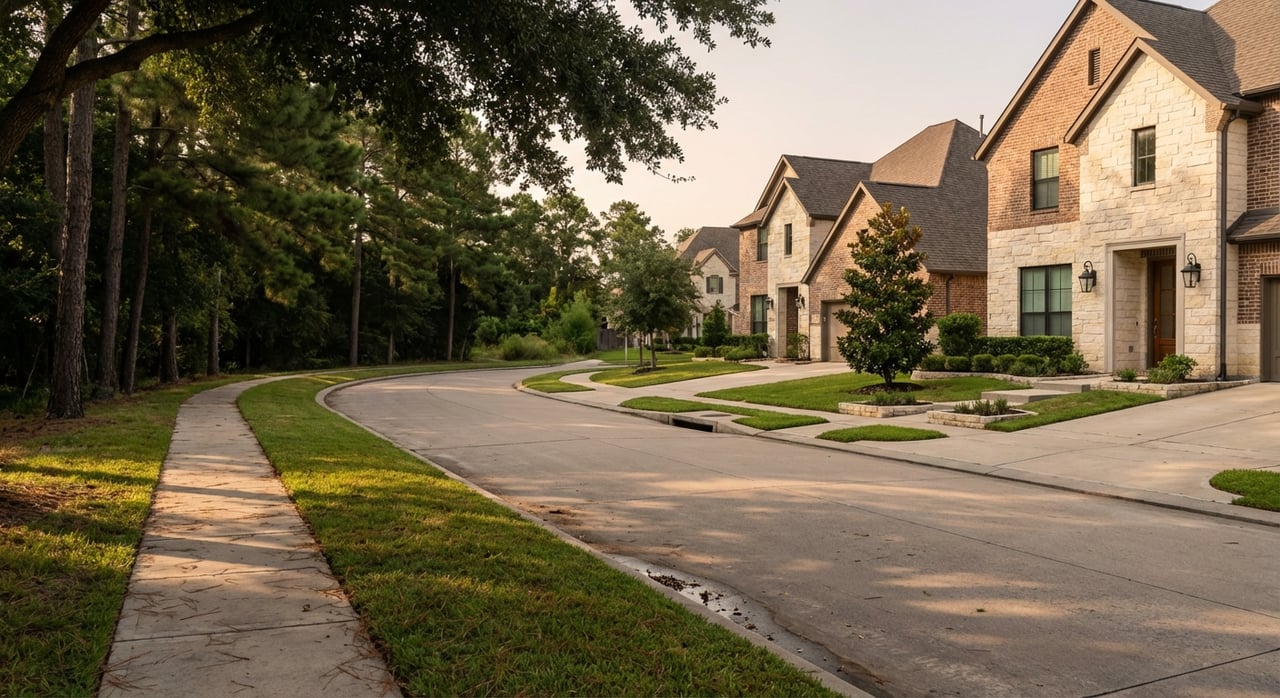
- Master-planned communities offer smaller yards but predictable streetscapes and planned green spaces. You trade privacy for convenience and community feel.
Amenities and community
- Acreage usually has few shared amenities. Your social life may lean on town events, private clubs, or nearby recreation.
- Master-planned neighborhoods often include pools, playgrounds, trails, clubhouses, and HOA events. These create easy social opportunities and kid-friendly routines.
Yard work and upkeep
- Acreage means regular land chores: mowing larger areas, tree care, fence repair, and managing drainage or ponds. Weekend time and equipment costs can be meaningful.
- Master-planned living keeps yard sizes modest and includes maintained common areas. Some neighborhoods set front-yard standards and coordinate services.
Pets, livestock, and hobbies
- Acreage tends to allow more flexibility for animals and outbuildings, subject to deed restrictions and county rules.
- Master-planned communities often limit livestock and require approvals for fencing, sheds, and other exterior changes.
Schools, commute, and services
- Many master-planned areas are near school campuses and everyday services. Commutes vary by exact location.
- On acreage, you should confirm access to school bus routes and routine services like groceries and medical care. Travel times can be longer.
Utilities and infrastructure
Water and sewer
- Acreage commonly relies on private wells and septic systems. Build in time for a well water test and a septic inspection, plus maintenance history.
- Master-planned communities are usually on municipal or utility-district water and sewer. Your costs show up as monthly bills rather than private system upkeep.
Power, internet, and trash
- Electricity serves most of the area, yet service type and reliability can vary by micro-area. Internet options on acreage may be limited to satellite or fixed wireless in some spots, while fiber is more common in newer communities.
- Trash pickup in master-planned areas is often coordinated by the city or HOA. Rural homes may need private haulers or periodic drop-off trips.
Roads and access
- Some acreage properties sit on private roads or lightly maintained county roads. Owners may share upkeep responsibilities through a road agreement.
- Master-planned neighborhoods typically have public or HOA-maintained streets with consistent standards.
Rules and restrictions
HOA, POA, and deed controls
- Acreage subdivisions can still carry deed restrictions that govern outbuildings, exterior materials, fencing, and animal allowances. Always review covenants before you write an offer.
- Master-planned communities have HOA or POA documents that outline architectural approvals, use rules, amenity ownership, and fees. Review meeting minutes if available and check for special assessments.
City vs. county jurisdiction
- Rules inside the City of Magnolia can differ from unincorporated Montgomery County for permits, utilities, and code enforcement. Know your jurisdiction and process before planning projects.
Agricultural valuation
- If the land qualifies for agricultural or timber valuation, you could see lower property taxes. Changing the use later may trigger recapture penalties. Confirm current status and how a sale affects taxes.
Cost realities to plan for
- Acreage can bring variable costs for tree care, storm prep, driveway repairs, and private systems like wells and septic.
- Master-planned living includes HOA fees and, in many cases, Municipal Utility District assessments in your tax bill. These districts help fund community infrastructure and can add ongoing costs.
- In both cases, compare recent utility bills if available and confirm current tax rates and special districts for each address.
Financing and insurance
Loan considerations
- Lenders underwrite rural properties differently. Wells, septic, and private road access can trigger extra requirements for FHA, VA, or conventional loans. Be sure your pre-approval accounts for these factors.
- Some addresses may qualify for USDA Rural Development loans. Eligibility is address-specific, so check per property.
Insurance and risk
- Insurance premiums reflect home construction, distance to fire protection, and location relative to flood zones. Rural addresses with longer response times may pay more, and lenders may require flood insurance depending on the map.
- Wind and hail risks can also affect premiums. Obtain quotes early in your option period, especially if a property sits near known risk areas.
Resale and value
- Acreage appeals to a narrower yet motivated pool that values privacy and hobby use. Well-kept land with desirable features can command a premium, though time on market can vary.
- Master-planned homes appeal to a broader audience, especially families seeking amenities and school proximity. Comparable sales are easier to establish, which helps with appraisals and pricing clarity.
How to choose what fits you
Ask yourself these quick questions:
- Do you want maximum privacy or daily access to shared amenities?
- Are you comfortable managing land chores and private systems, or do you prefer predictable monthly bills and HOA structure?
- How important are school proximity and community events to your routine?
- Would you use acreage for animals or hobby buildings, or do you simply want a yard and a pool nearby?
Your answers will point you toward acreage or master-planned living, or a hybrid option with a larger lot inside a planned neighborhood.
Property-by-property checklist
For acreage properties
- Survey and access: Confirm a current boundary survey and legal, recorded access. Understand who maintains private roads and gates.
- Wells and septic: Order a well water test and a full septic inspection. Review maintenance records and age.
- Soil and drainage: Review topography, erosion issues, and locations of wells, drain fields, and future structures. Check flood maps and any local floodplain notes.
- Outbuildings and improvements: Verify permits where needed and ensure utility service to barns, shops, or guest spaces is properly installed.
- Agricultural status and taxes: Confirm any agricultural valuation, rules for continuing it, and potential recapture.
- Title and rights: Have the title company check easements and mineral rights. Ask about any surface use agreements.
For master-planned communities
- HOA and fees: Read the CCRs, bylaws, rules, and recent minutes. Note the fee schedule, what is included, reserve levels, and special assessment history.
- Amenities and ownership: Confirm which amenities are complete, who owns and maintains them, and any upcoming developer turn-over.
- Utilities and services: Identify utility providers and service responsibilities for streets, sidewalks, and drainage.
- Schools and connectivity: Verify school attendance zones and any planned roads or nearby commercial projects that could affect traffic.
- Builder warranties: If the home is newer, confirm coverage and transferability.
For both property types
- Inspections: Schedule a general home inspection and pest report. Add well, septic, and specialty inspections as required.
- Insurance quotes: Price homeowners, flood, and any supplemental coverage early in your option period.
- Lender review: Ensure your pre-approval accounts for private systems, access easements, and any unique outbuildings or acreage.
Work with a steady local guide
Choosing between acreage and a master-planned community in Magnolia comes down to your daily routine, comfort with maintenance, and long-term goals. A property-by-property review will keep you grounded in facts like utilities, access, rules, and costs. If you want a calm, experienced hand from first showing to a clean close, connect with Kristina Davidson. She blends two decades of Montgomery County experience with escrow and title expertise to reduce surprises and help you buy with confidence.
FAQs
What is a master-planned community in Magnolia?
- A master-planned community is a coordinated neighborhood with builder sections, smaller lots, and shared amenities like pools, trails, and playgrounds managed by an HOA or POA.
How do wells and septic systems affect a Magnolia acreage purchase?
- You will need a well water test and a septic inspection, plus maintenance history; some loans require system standards to be met, which can add repair or approval steps.
Are MUD taxes common in newer Magnolia neighborhoods?
- Many newer planned communities use Municipal Utility Districts to fund infrastructure, which can add ongoing assessments reflected in your property tax bill.
Can I keep horses or build a barn on Magnolia acreage?
- Often yes, but it depends on deed restrictions and county rules; always review covenants and confirm any permitting or structure requirements before you commit.
How should schools factor into choosing Magnolia acreage or an MPC?
- Verify Magnolia ISD attendance zones for each address and weigh your proximity preferences against lifestyle tradeoffs like lot size and amenities.
What inspections should I order for rural properties in Montgomery County?
- In addition to a general home inspection and pest report, order well water testing, a septic inspection, and any specialty checks tied to outbuildings or drainage.
Is flood risk a concern when buying in the Magnolia area?
- Always check flood maps for each property, ask for any known flood history, and consult insurance quotes early since lenders may require flood coverage in certain zones.